
Use Cases
Use Case 1: White goods - Washing Machines
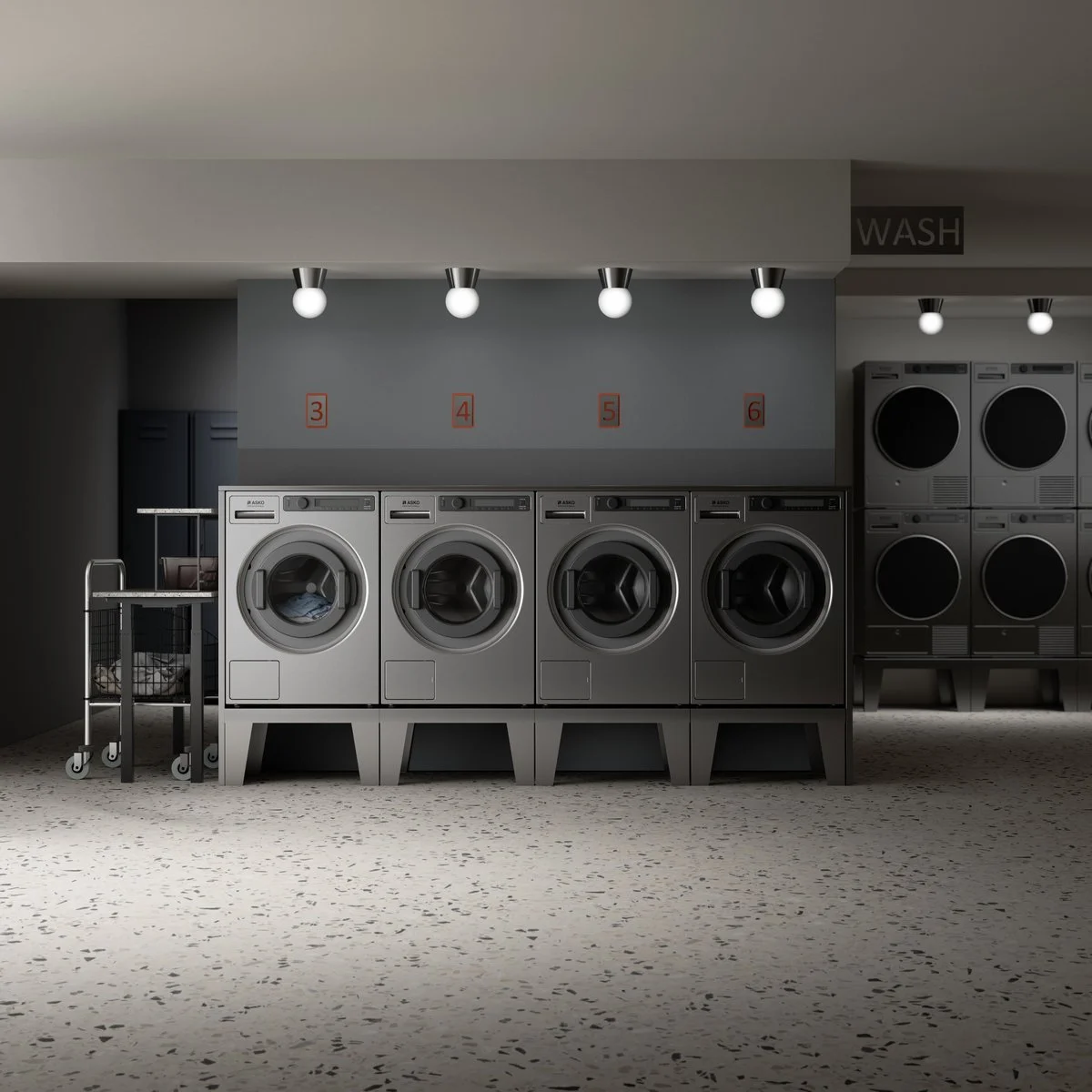
The latest generation of Gorenje washing machines has been equipped with redesigned electronics and firmware that monitor machine health in real time, tracking everything from motor energy use to component wear. This data feeds into neural network models trained to assess the condition of key components — including the motor, water heater, and pump — helping engineers determine whether a returned machine should be repaired, remanufactured, or recycled.
To support the physical side of this process, a dedicated AR disassembly workstation has been built at Chemnitz University of Technology, capable of lifting, tilting, and positioning washing machines while projecting step-by-step instructions onto a large touchscreen, with built-in AI that automatically verifies each step as it is completed. Underpinning all of this is DiCiM Flow Master, a new web application that manages the flow of data between connected machines, AI diagnostics, and the wider platform. The station is now fully built and operational — with mechanics, sensors, and software all in place — and is currently in the testing phase for user-friendliness and efficiency.
Use Case 2: White goods - Refrigerators
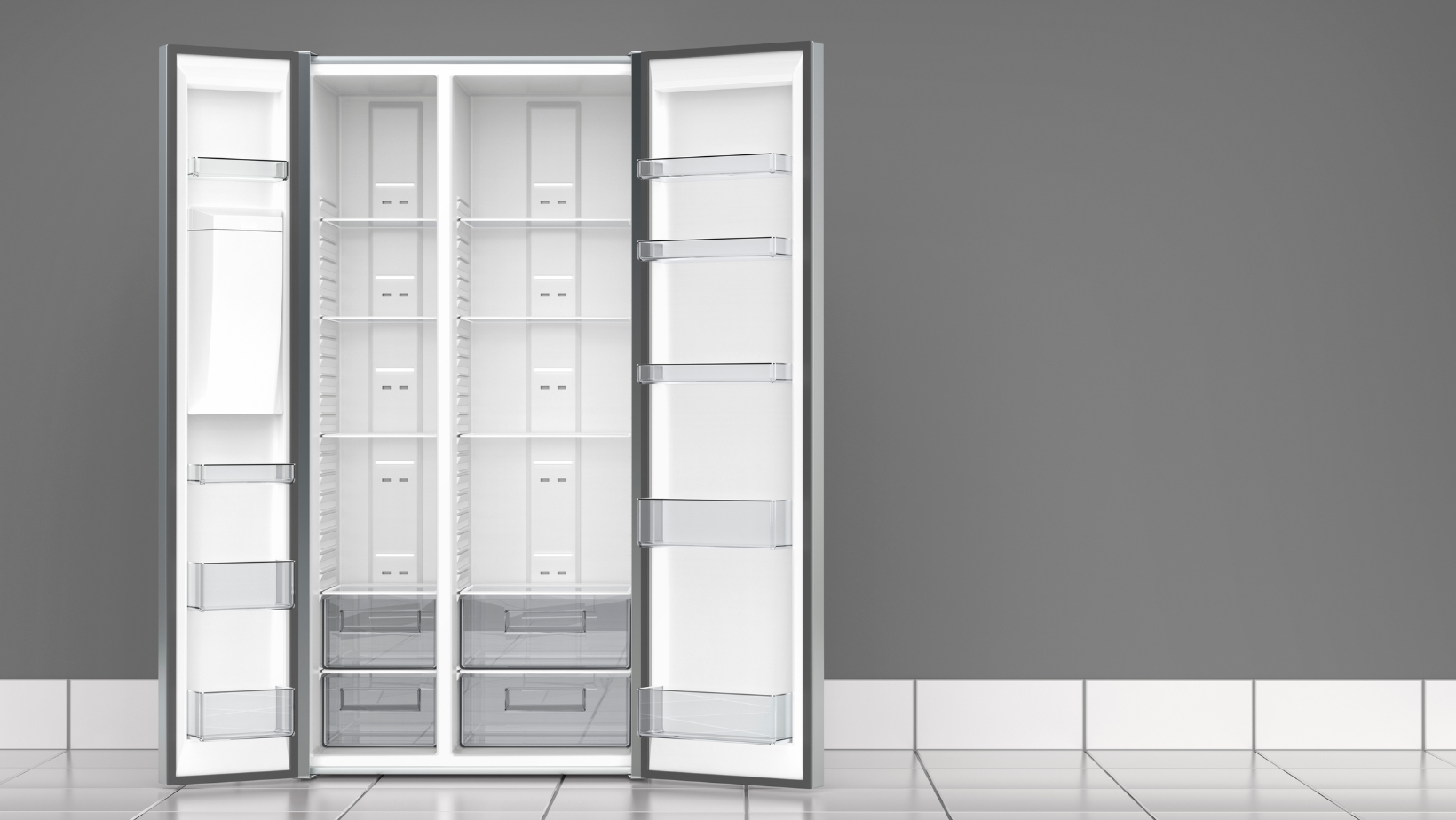
At Arçelik's facilities, two new automated inspection systems are transforming how returned white goods are assessed. A high-resolution machine vision system — using cameras of over 10 megapixels — automatically scans returned circuit boards for defects, immediately removing faulty parts from further testing and saving 3–4 minutes per unit that would previously have undergone unnecessary simulation testing. Alongside this, a thermal imaging system now evaluates the performance of a fridge's cooling system in under one minute, compared to the 60–80 minutes previously required, with no need for a specially conditioned room and none of the inconsistency that comes with manual assessment. Together, these two systems have the potential to dramatically increase the proportion of fridges that are given a second life rather than being scrapped.
Use Case 3: Electronics - Printers

Lexmark technology uses more than 100 built-in sensors to continuously monitor the health of the printer and its components. Data generated by these sensors is recorded, stored, and transmitted by the printers to designated data points. This information is then analysed using advanced technology integrated with a training algorithm developed from data collected from more than 12,000 devices. The resulting insights enable AI‑supported decision-making before a printer is collected for repair, return, remanufacturing, or recycling.
Use Case 4: Automotive
C-ECO has built and deployed a sophisticated digital and physical system to bring greater intelligence and efficiency to its operations. The second version of its CoremanNet data management platform is now live in C-ECO's production environment, providing real-time dashboards tailored to each user's role across the supply chain, covering logistics status, part quality, return conditions, and financial incentives.
On the shop floor, workers are now equipped with RealWear AR glasses that overlay sorting instructions and storage locations directly onto their field of view, with the system connecting to the warehouse management system in real time and using AI to verify that parts are placed in the correct location — safety overlays included. This technology has been tested in both lab and live production environments. Completing the picture, a machine learning forecasting microservice has been built and deployed to predict both inbound and outbound flows, giving C-ECO the insight it needs to plan warehouse operations more efficiently.
